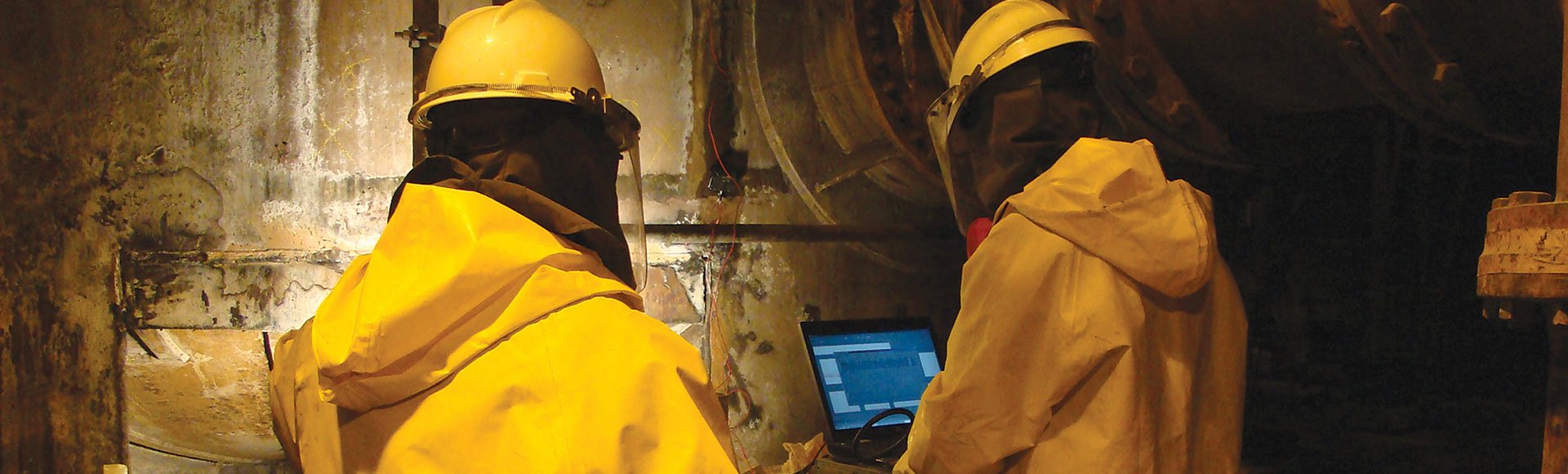
Our goal is to monitor asset integrity and assess their condition and performance and ultimately assist the client in optimizing their maintenance, replacement or rebuild plans. We have developed multiple patented technologies to ensure safe and efficient operation throughout the lifecycle of various assets/structures. By continuously tracking the asset condition and key performance indicators (KPIs) like uptime, energy usage, maintenance needs, and output quality, organizations can detect and attend to issues in advance, reduce downtime, and optimize maintenance schedules. This proactive approach not only extends asset lifespan, but also minimizes operational costs and enhances productivity. Ultimately, our asset performance monitoring services enables data-driven decision-making, helping businesses achieve higher returns on investment and maintain a competitive edge in their industry.
Challenges
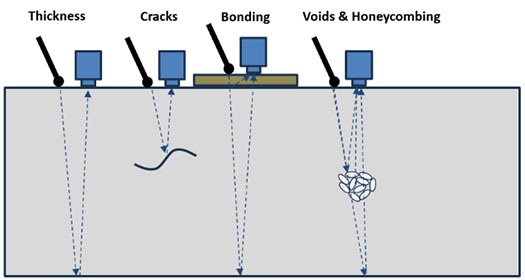
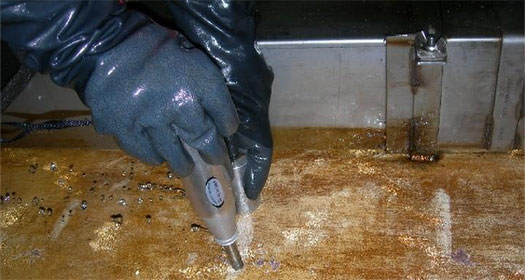
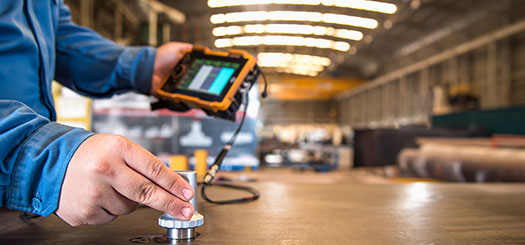
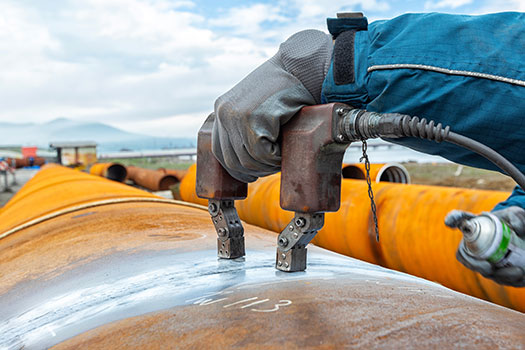
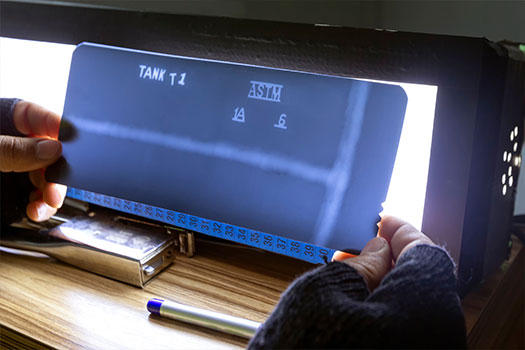
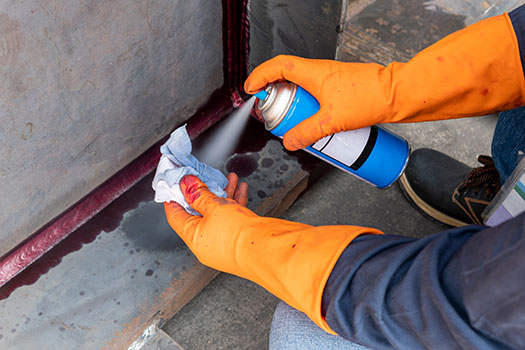
Keeping mechanical and structural assets in good working order is a constant challenge in metallurgical, energy, and infrastructure industries. Assets eventually deteriorate or become damaged during operations and must be retrofitted or replaced. Comprehensive inspection and monitoring techniques are needed to extend the service life of mechanical and structural assets and optimize maintenance schedules and productivity.Non-Destructive Testing (NDT) techniques and monitoring systems can be used to assess the condition and deterioration of mechanical and structural assets without intrusive instrumentation or damage to the assets. In many cases, NDT techniques can be applied without disrupting normal operations.
NDT has a wide range of benefits, including accident prevention, facilitation of maintenance planning, and optimization of efficiency and profitability. When applied regularly, NDT contributes to safer, more reliable assets, and greater profits for the companies that own the assets.
Capabilities
Acousto Ultrasonic-Echo (AU-E)
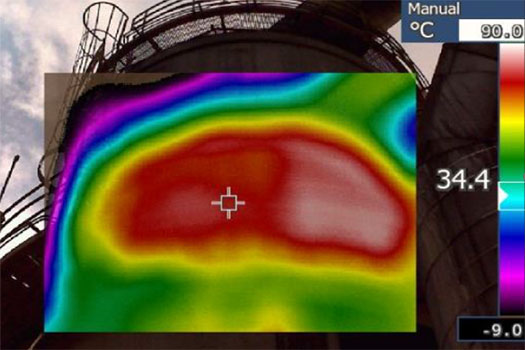
This Hatch-patented technique measures the thickness and condition of refractory linings in operational metallurgical process vessels. AU-E can be performed during vessel operation without disrupting the production schedule. It can detect refractory conditions such as remaining thickness, build-up thickness, and chemical alterations such as metal impregnation, metal penetration, hydration, and oxidation. Periodic AU-E measurements can assist the planning of repair and optimize refractory lining campaigns. It can also be used for determining the salamander tapping location of blast furnaces.
Radar feed-level measurement
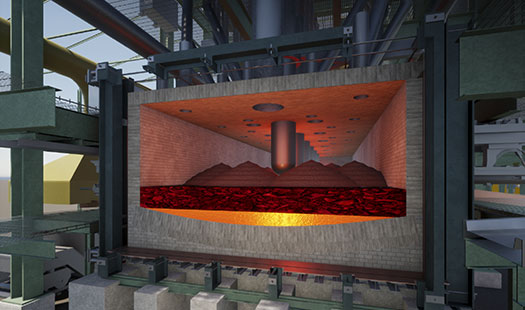
This automatic feed level measurement system was developed by our experts based on electromagnetic waves. The patented system can accurately and continuously measure the top level of the concentrate or feed bank in metallurgical furnaces. Real-time feed-level measurement allows furnace operators to optimize the smelting process, reduce energy consumption, prevent premature damages of the furnace roof, and thus, can reduce maintenance costs, reduce furnace downtime, and increase profitability.
StaveCheck™
Another Hatch-patented technology known as the StaveCheck™ system (formerly called LFPU) can be used to measure the worn profile of cooling staves in blast furnaces. Developed in house by Hatch, the StaveCheck™ system utilizes low frequency ultrasonic waves determine the remaining stave thickness from the cold face of the furnace shell while the furnace is fully operational. It is a more advantageous solution to destructive drilling and conventional ultrasonic rod thickness measurements. StaveCheck™ is flexible and can measure any location of the stave, while the conventional techniques can only measure locations where ultrasonic rods were installed. By doing periodic measurements of the staves, we can develop wear trends for each stave and help blast furnace clients in prioritizing their stave replacement schedules.